Condition
Knee Pain
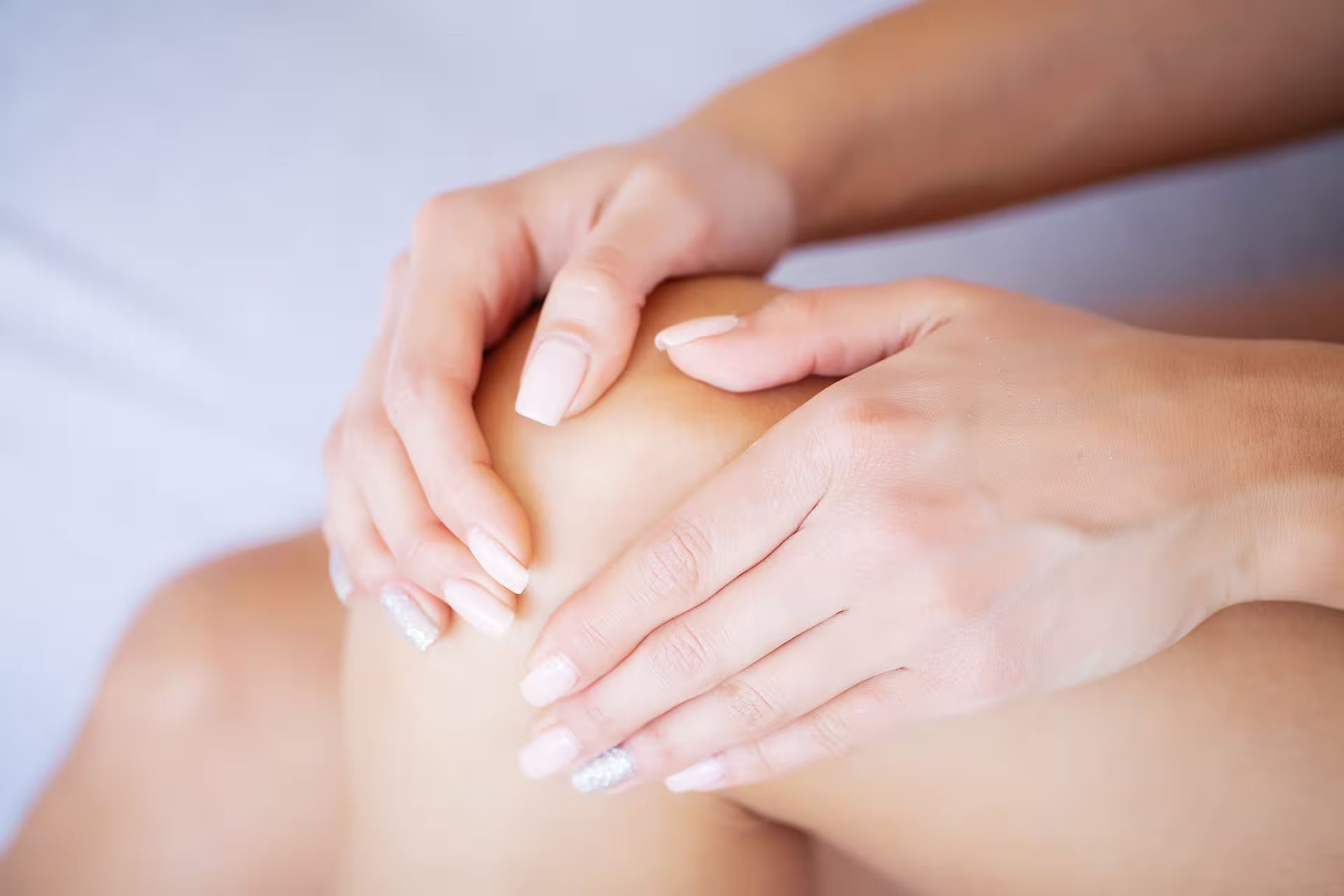
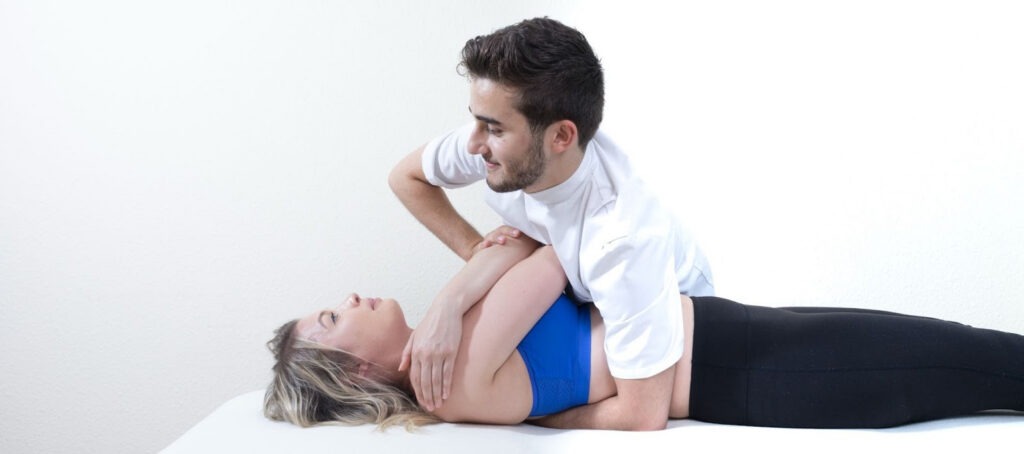
The knee is in actual fact a very simple joint. It is a hinge – it opens and closes to allow our muscles to lever us forwards. However, as a hinge, it is at the mercy of the alignment of the joints above and below it – the ankle, hip, low back and rest of the spine. If one of these joints is restricted or held in a twisted position, the knee will not be able to open and close smoothly. This can cause strains and wear in the ligaments, tendons and cartilage of the knee causing pain, stiffness, swelling and arthritis. Using an osteopathic approach, we look at the alignment of the whole body to identify why the knee is under extra strain. We treat the injured tissues in the knee itself to relieve the pain, but importantly, also the surrounding mechanics to ensure the injury stays away!
Even a knee joint with moderate arthritis can have pain relief by improving the mechanics and forces crossing it. Some of our patients who are waiting for a knee replacement, or are unable to have a knee replacement for other medical reasons, or who prefer to postpone surgery can continue to live a comfortable and mobile life with maintenance treatment to support the affected knee.
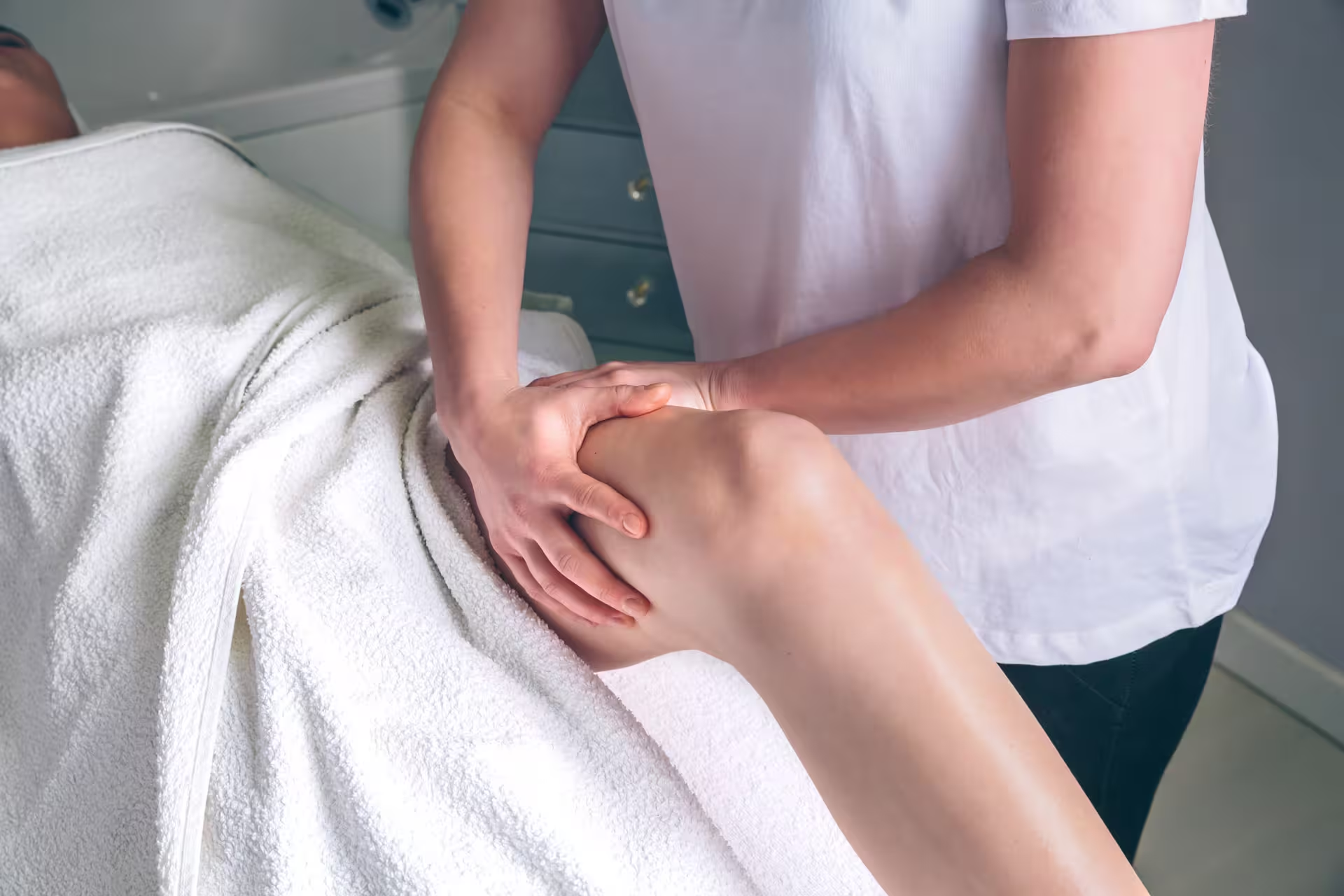
After knee surgery, be it meniscus repair, patella resurfacing or a knee replacement, osteopathic treatment can help to support the rehabilitation process and ensure a comfortable return to activity.
Knee pain and endurance sports
During endurance sports we push our body and its physiology to its limits. When the body starts to fatigue, small imbalances in our mechanics become more apparent as the strength from muscular support reduces and repetition of the movement amplifies small strains. In day to day activities these imbalances might not be at all apparent – you might be able to move freely and comfortably. But during the physical demands and repetitive action of endurance training small imbalances in our anatomy can take its toll. The knee often takes the brunt of these forces. This can lead to muscle strains, ligament or tendon strains or even joint cartilage irritation.
Many of our Triathlete patients use treatment as a maintenance during times of high intensity training and in the lead up to events to stay injury free before any pain has a chance to develop!
Using the osteopathic approach of looking at the whole body, we can help to identify even seemingly small mechanical imbalances. These may come from a different part of the body, or be related to a historic injury but are having effects throughout the wider body. Treatment can help to improve the transfer of forces and the mechanical alignment in the body to take the strain off these tissues so that you can train longer and harder without injury.